Liver care, explained by a liver surgeon

Clear answers about your liver

Jaundice, fatty liver, cirrhosis and liver transplantation – explained in plain language by Dr. Vibha Varma, liver transplant and HPB surgeon at Lilavati Hospital, Mumbai.
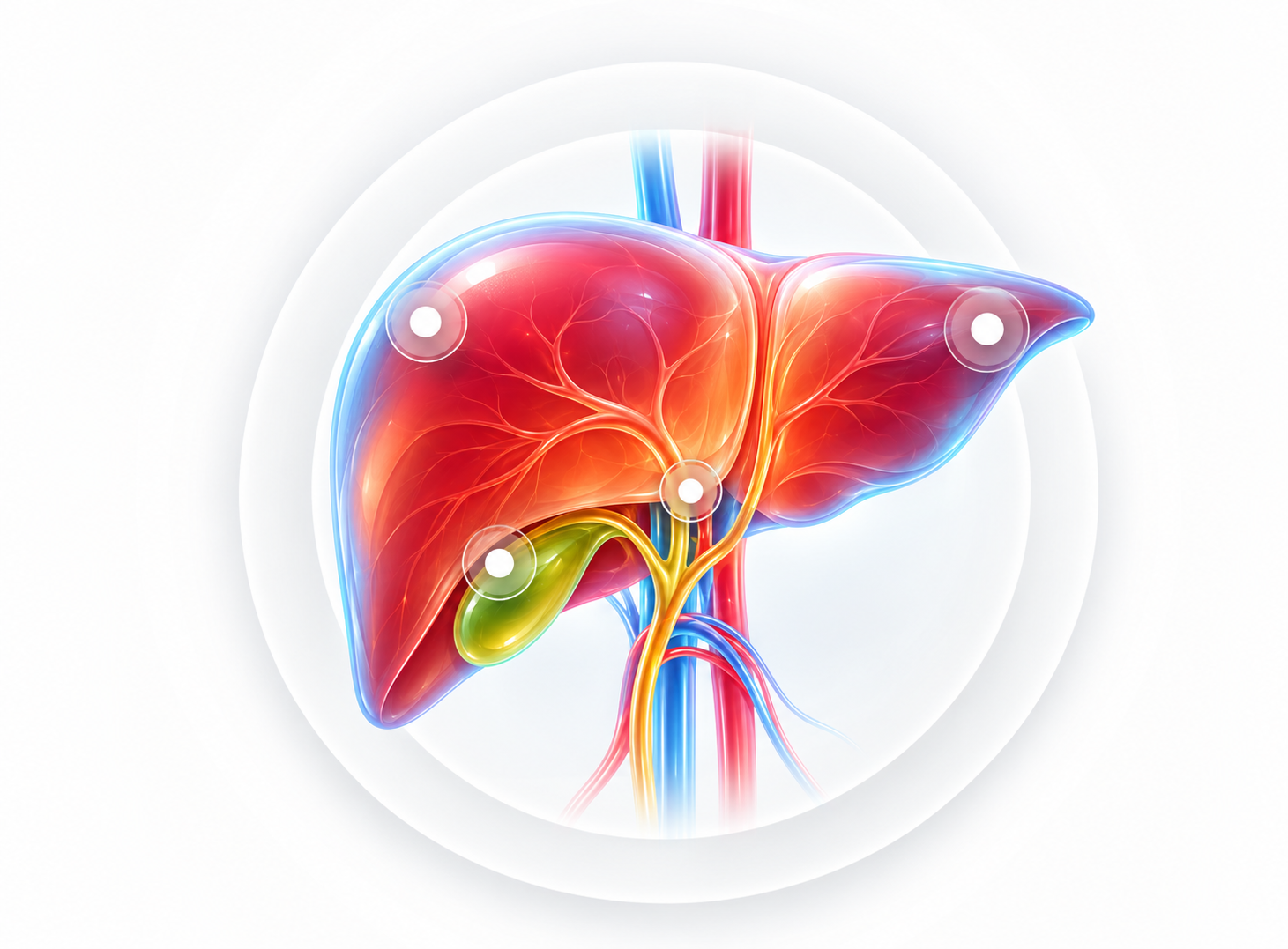
Illustration of the liver with its right and left lobes, gallbladder, bile ducts and main blood vessels
Right lobe

Your liver surgeonDr. Vibha VarmaMBBS, MS, DNB, MRCSEd · Lilavati Hospital, Mumbai
20+ yearsin liver transplant & HPB surgery
Adults & childrenliver transplantation
Living & deceaseddonor transplants
Emergencytransplants for acute liver failure
01
Symptom guide

What is your liver trying to tell you?

Pick what you are noticing. Each card says what it commonly means, what cannot wait, and when to see a liver specialist.

Yellow eyes or skin (jaundice)

What it often means

Bilirubin is building up in the blood. Common causes are viral hepatitis (A, E or B), alcohol, some medicines or herbal remedies, gallstones or a growth blocking the bile duct, or advanced liver disease.

⚠ Get help today if

Go to an emergency department today if jaundice comes with confusion, drowsiness or unusual behaviour, any bleeding or vomiting of blood, high fever with shivering, or if you are pregnant.

See a liver specialist if

Any new jaundice needs liver blood tests and an ultrasound within a few days. Please do not treat it with home or herbal remedies – some of them can worsen liver injury.

Acute liver failure: when every hour counts →

Swollen belly or legs

What it often means

Fluid collecting in the abdomen (ascites) and swelling of the feet are common signs that cirrhosis has advanced. Heart or kidney problems can also cause swelling.

⚠ Get help today if

Seek care today if the swelling comes with fever or tummy pain (the fluid may be infected), you are passing very little urine, you are breathless, or you are confused.

See a liver specialist if

If you have liver disease and notice swelling for the first time, see a liver specialist soon. It is often the point at which a transplant evaluation should begin.

Decompensated liver disease: the warning signs →

Vomiting blood or black stools

What it often means

In liver disease this usually comes from swollen veins (varices) in the food pipe or stomach, caused by high pressure in the liver’s blood vessels. Stomach ulcers can also bleed.

⚠ Get help today if

This is always an emergency. Go to the nearest hospital with an endoscopy facility immediately. Do not wait to see if it stops, and avoid painkillers such as ibuprofen.

See a liver specialist if

After the bleeding is controlled, you will need regular follow-up with a liver specialist to prevent it from happening again and to assess the liver.

Read about variceal bleeding →

Confusion, drowsiness or sleeping all day

What it often means

When the liver cannot clear toxins such as ammonia, they affect the brain (hepatic encephalopathy). Infection, bleeding, constipation, dehydration and sleeping pills are common triggers.

⚠ Get help today if

Any new confusion, drowsiness or unusual behaviour in someone with jaundice or liver disease needs emergency care today.

See a liver specialist if

Early signs – sleeping in the day and awake at night, forgetfulness, irritability, a shaking hand – need a prompt review by a liver specialist.

Hepatic encephalopathy explained →

“Fatty liver” on an ultrasound

What it often means

Fat has built up in the liver, usually linked to excess weight, diabetes, high cholesterol or alcohol. It is very common and usually causes no symptoms at first.

⚠ Get help today if

Fatty liver on its own is rarely an emergency.

See a liver specialist if

Ask your doctor about liver blood tests and a liver stiffness scan (FibroScan) to check for scarring. Losing 7–10% of body weight, regular activity and no alcohol can reverse it in many people.

How fatty liver can lead to cirrhosis →

Pain or a lump under the right ribs

What it often means

Often gallstones. Less commonly a liver cyst or tumour, or a problem in the bile ducts or pancreas – especially with weight loss or loss of appetite.

⚠ Get help today if

Go to an emergency department today if pain comes with fever, shivering and yellow eyes (possible bile duct infection), or with repeated vomiting.

See a liver specialist if

Book an ultrasound and a specialist review. Liver, bile duct and pancreas tumours are best assessed by an HPB surgical team.

Liver, bile duct & pancreas surgery →

Itching, dark urine or pale stools

What it often means

Bile is not flowing properly into the intestine. Causes include stones or narrowing of the bile ducts, tumours of the bile duct or pancreas, and conditions such as PBC and PSC.

⚠ Get help today if

Seek care today if these come with fever or shivering.

See a liver specialist if

Get liver blood tests and an ultrasound promptly, and see a liver specialist with the results.

Pancreatic & bile duct conditions →

This guide is general education, not a diagnosis. If you are worried, speak to a doctor. In an emergency, go to the nearest hospital.

02
Quick answers

Questions families ask every day

Short, direct answers first, with a full article one click away.

When does someone need a liver transplant?
When the liver can no longer be kept working with medicines – for example cirrhosis with jaundice, fluid in the abdomen, bleeding or confusion; acute liver failure; some liver cancers; and certain conditions in children such as biliary atresia. The first serious complication is the right time to see a transplant team. Read the full guide →
What is the success rate of liver transplantation?
With an experienced team, success rates are about 85–95%, and over 90% when the transplant is done at the right time – before the patient becomes critically ill.
Is a liver transplant only a last resort?
No. It is a planned, life-saving treatment. Waiting until someone is in intensive care makes surgery riskier; early evaluation gives the best results.
Can a family member donate part of their liver?
Yes. In India most transplants use a living donor – usually a healthy adult family member aged roughly 18–55. Every donor has detailed tests and must be approved by the authorisation committee required by law. Even when blood groups do not match, a transplant is sometimes possible with special preparation. The living donor journey →
Is living donation safe for the donor?
Donor safety comes first, and donors are carefully selected. Most go home within about a week and are back to their normal routine within a few weeks.
Does the donor’s liver grow back?
Yes. The liver regenerates – both the donor’s remaining liver and the transplanted part grow back towards normal size over the following weeks and months.
Can fatty liver be reversed?
Often, yes. Losing 7–10% of body weight, staying active, controlling diabetes and cholesterol and avoiding alcohol can reduce liver fat and inflammation. Cirrhosis & chronic liver disease →
Is cirrhosis reversible?
Established cirrhosis usually cannot be fully undone, but treating the cause – stopping alcohol, treating hepatitis B or C, losing weight – can stop it getting worse. Earlier stages of scarring are often reversible.
Is there a safe amount of alcohol if I have liver disease?
No. If your liver is already damaged, there is no safe limit – stopping alcohol completely is one of the most powerful things you can do.
How long is the hospital stay after a transplant?
Usually a few days in intensive care and about two to three weeks in hospital in total, followed by frequent check-ups in the first few months.
Will I need medicines for life?
Yes – anti-rejection medicines are taken every day, with regular blood tests. Doses usually come down over time, and the routine soon becomes second nature. The first year after transplant →
Can I work, travel or have a family after a transplant?
Most people return to work, study and travel within months. Many women have had healthy pregnancies after a liver transplant – it needs planning with the transplant team, usually waiting at least a year and adjusting some medicines first.
03
Treatments

What Dr. Varma treats

Each card opens the full treatment guide on Dr. Varma’s main website, thelivertransplant.in.

Illustration of the human liver
04
Meet your surgeon

Dr. Vibha Varma

Consultant & Head, Liver Transplant and Hepato-Pancreato-Biliary Surgery · Lilavati Hospital & Research Centre, Mumbai

Dr. Varma has more than 20 years of experience in living and deceased donor liver transplantation for adults and children, and in complex liver, bile duct and pancreatic surgery. She stays in touch with many of her patients for years after their transplant.

MBBSMS (General Surgery)DNB (General Surgery)DNB (Surgical Gastroenterology)MRCSEd (UK)
  • Fellowship in Transplant Surgery – Queen Elizabeth Hospital, Birmingham, UK
  • Fellowship in Transplant Surgery – Oxford Transplant Centre, Oxford, UK
  • Liver transplant training – Sir Ganga Ram Hospital, New Delhi
Full profile →
Consultation

Talk to Dr. Varma’s team

For evaluation of liver disease, liver transplantation – including living donor options – and liver, bile duct and pancreas surgery. Please bring previous reports, scans and a list of current medicines.

Hospital
Lilavati Hospital & Research Centre, Bandra (W), Mumbai
OPD
Monday–Saturday, 9:00 AM – 4:00 PM · Ground Floor, Room No. 23
Email
vibha.varma@gmail.com
Full website
thelivertransplant.in →
© Dr. Vibha Varma · Liver Transplant & HPB Surgeon, Mumbai · thelivertransplant.in · Articles · VideosDr. Vibha Varma · MBBS, MS (General Surgery), DNB (Surgical Gastroenterology) · Registered with Maharashtra Medical Council, Reg. No. 2013082640Information on this site is for general education and does not replace a medical consultation. Some content was drafted with AI assistance and reviewed before publishing.